
StaticRoom Blog
How to Master Static Sift Cleaning for Pure Resin: The Exact Method We Use for Ultra‑Clean Hash in 2026
Static sift cleaning has become the gold standard for solventless refinement in 2026, with electrostatic methods now capable of removing about 99% of non‑trichome material from already extracted dry sift when dialed in correctly.
Key Takeaways
| Question | Concise Answer |
|---|---|
| What is static sift cleaning for pure resin? | It is a refinement step that uses static electricity to attract and isolate intact trichome heads from dry sift, creating ultra‑clean hash with minimal plant contaminants. |
| How pure can static‑refined resin get? | Traditional dry sift usually sits around 70–85% purity, while static‑refined hash typically reaches about 85–95% purity when techniques are applied correctly. |
| Which micron sizes are best for static sifting? | For connoisseur hash, we focus on the 139u to 75u band, the range we use for our StaticRoom Pink / Single Source line. |
| Can you buy ready‑made static sift hash in Europe? | Yes, you can order premium static sift hash in Europe directly from our curated shop at TheStaticRoom shop, where each batch is already cleaned via static separation. |
| How many passes are needed to master static cleaning? | Most hash makers see dramatic improvements after 2–3 passes, with proper technique and environmental control becoming the main differentiators beyond that. |
| Is static sift cleaning suitable for beginners? | Yes, as long as you start with small batches of dry sift, maintain cool and dry conditions, and treat the process like a methodical, repeatable workflow instead of guesswork. |
1. Understanding Static Sift Cleaning and Why Purity Matters in 2026
Static sift cleaning is a refinement technique that uses electric attraction to pull trichome heads away from contaminant particles in dry sift, producing extremely clean resin without any solvents. In practical terms, this is the difference between a sandy, plant‑laden sift and a flowing, resinous hash that melts into a glassy pool when gently heated.
For us, mastering this process is non‑negotiable, because it is what allows the StaticRoom brand to deliver the kind of dry sift that connoisseurs in Europe now expect in 2026. When we talk about pure resin, we mean trichome heads that are visually uniform, melt cleanly, and carry the full terpene expression of the cultivar without plant harshness.
Static sifting does not create resin from nothing, it simply separates what is already there. This is why the quality of your starting dry sift and your discipline across each cleaning pass are fundamental to the outcome.
Once you understand that static is a precision filtration tool rather than a magic trick, you can start to build a repeatable, craft‑level workflow around it.


2. The Science Behind Static Sift: How Electric Attraction Cleans Your Resin
At its core, static sift cleaning is an application of electrostatic separation, where charged surfaces attract specific particles based on their shape, mass, and surface characteristics. Intact trichome heads behave differently under an electrostatic field than broken plant fragments or dust, which allows us to selectively pull them onto a collection surface.
Laboratory work on electrostatic separation for cannabis has shown that first‑pass separation can already yield around 80–95% purity of round trichomes, with purity climbing as the material is cycled through additional passes. This scientific foundation supports what artisans have been observing in the hash room for years when refining their dry sift by hand.
In practical artisan settings, static is usually generated with tools such as acetate sheets, parchment, plastic cards, or specific static plates, which are rubbed to build charge then passed over a thin bed of dry sift. What matters most is not the gadget, it is how thinly the sift is spread, how controlled your motions are, and how consistent the contact time is across the tray.
By understanding the physics at play, we can move from superstition to method, which is the only way to maintain consistent quality at the level our clients expect from TheStaticRoom.
3. Setting Up Your Static Sift Cleaning Station: Environment and Tools
A controlled environment is the foundation for mastering static sift cleaning for pure resin, because static behavior changes dramatically with temperature and humidity. In 2026, we still find that cool rooms and low humidity give the most stable and predictable separation of trichome heads from contaminant particles.
Studies on electrostatic separation for cannabis show that operating around 15 °C with relative humidity in the low 30% range supports stable trichome separation, which aligns closely with the parameters we target in our own hash rooms in Europe. If your space is warmer or more humid than this, your static charge will dissipate faster and your control over the process will suffer.
Essential Tools For Static Sift Cleaning
To reproduce professional‑grade results at home or in a boutique facility, we recommend standardizing a simple but reliable toolkit. This keeps your workflow consistent across batches and cultivars.
- Clean, smooth trays or plates for spreading your dry sift in thin layers.
- Static‑generating surfaces such as acetate sheets, specialized static plates, or high quality plastics.
- Fine brushes or cards to move material gently without crushing trichomes.
- Cold room or at least air conditioning plus a dehumidifier to control climate.
Before you begin cleaning, you should allow your dry sift and your tools to rest in the room for at least 20–30 minutes so that they reach the same temperature and humidity. This simple step often reduces issues like clumping, inconsistent attraction, and accidental loss of resin on surfaces.
A concise 5-step guide to mastering static sift cleaning for pure resin. Learn how each step contributes to consistent, high-quality results.
4. Step‑by‑Step: Our 5‑Stage Static Sift Cleaning Workflow
We refine every batch of StaticRoom dry sift using a structured, multi‑pass workflow that treats static cleaning as a series of controlled stages. This makes the process teachable, repeatable, and easy to troubleshoot when a specific step introduces contaminants or losses.
Stage 1: Preparation Of Dry Sift
Start with high quality dry sift that has already been screened through appropriate micron bags, typically in the 139u to 75u window for premium trichome heads. Break up any clumps gently in a cold, dry environment, and distribute the material evenly on your tray in an extremely thin layer.
Stage 2: First Static Pass
Charge your static tool with consistent strokes, then hover and lightly contact the sift surface in smooth, overlapping motions. In this first pass, your goal is to pull a broad cut of mostly intact heads away from obvious plant fragments, not to chase absolute perfection yet.
Stage 3: Second And Third Passes
Once you collect your first‑pass resin, repeat the process on that refined portion using a fresh, clean surface. Here you slow down, run smaller sections, and focus on consistency of motion, which is where the purity of your resin begins to climb into the connoisseur range.
Stage 4: Final Polish And Collection
After two or three static passes, visually inspect your resin on a cold glass or metal surface under magnification if possible. At this stage, you should see mostly uniform, sandy trichome heads with very little green or black particulate, which are ready to be jarred, pressed, or stored as loose sift.


Did You Know?
Traditional dry sift purity ranges from 70–85%, while static-refined hash typically achieves 85–95% purity.
Source: Nine Realms
5. Dialing In Environmental Control For Consistent Static Sift Results
One of the most overlooked aspects of mastering static sift cleaning in 2026 is strict environmental control, especially for small‑scale makers in Europe working in mixed‑use spaces. Static charge behaves very differently in a damp basement compared to a climate controlled hash room, and your results will reflect that.
In our experience, keeping the room near 15–18 °C with relative humidity in the 30–40% range provides a good balance between manageable static and comfortable working conditions. If your climate is naturally humid, investing in a proper dehumidifier is as important as your micron screens or collection tools.
Practical Tips For Home And Boutique Makers
- Run your air conditioning and dehumidifier for at least one hour before loading trays with dry sift.
- Avoid touching your charged tools with bare, warm hands, which can discharge the static or warm the resin.
- Store your collected resin in airtight containers in the same room until the batch is complete, to avoid condensation swings.
By treating temperature and humidity as core variables in your process, you move closer to the level of consistency that we aim for with every StaticRoom batch in our facility.
6. Micron Strategy: Working The 139u–75u Window For Connoisseur Hash
In our Pink Label static sift, we focus on trichome heads in the 139u to 75u range, which we have found to be the sweet spot between purity and full‑spectrum expression. Larger heads can carry impressive resin loads, while smaller heads often concentrate bright top notes and fast‑acting effects.
When you clean within this micron window using static, you are effectively polishing the best part of the plant, not trying to salvage substandard material. This mindset is crucial if you want your final hash to rival the kind of resin that serious collectors are buying in 2026.
Example: Pink Label Static Sift Pricing
Our static sift offerings like Peanut Butter Breath, Grape Gas, and Hashburger are all priced in the EUR€714.00–€15,000.00 range, reflecting both the quality of the starting material and the time invested in static refinement. These numbers are a useful benchmark when you consider the economic value of mastering your own cleaning technique.
If you are working at home, these price points highlight why careful handling of every gram of sift matters, especially when you are learning. The difference between a rushed, single‑pass clean and a patient, three‑pass refinement can be the difference between average hash and resin that justifies its place in a connoisseur collection.
7. Sensory Cues: How Pure Static Sift Resin Should Look, Smell, And Melt
Technical purity is important, but mastering static sift cleaning also means training your senses to recognize what pure resin looks, smells, and behaves like. When you have cleaned your sift correctly, the resin communicates its quality before it ever touches a rig or a hot knife.
Visually, high‑grade static sift presents as a uniform, sandy or micro‑granular layer with a rich golden to light brown hue and minimal dark specks. Under magnification, you should see rounded, intact trichome heads clustered together rather than shredded plant tissue.
Aroma And Melt Behavior
On the aroma side, well‑cleaned resin expresses the cultivar clearly, for example a collision of sweet grape terpenes and fuel‑like gas notes in a Grape Gas cut or creamy, nutty undertones in Peanut Butter Breath. Plant funk or chlorophyll harshness recedes as contaminants are removed, which is a direct sensory confirmation of your static work.
Finally, when gently heated, pure static sift should exhibit a silky, progressive melt with minimal residue, indicating that what you collected is predominantly oil‑rich heads rather than plant dust. This is the melt profile we target across our Pink Label static sift line and the standard we encourage serious makers to aim for in 2026.
Did You Know?
Two-pass electrostatic separation can push purity toward the high 90s, depending on material and settings.
Source: Journal of Cannabis Research
8. Troubleshooting Common Static Sift Cleaning Problems
Even experienced hash makers encounter issues when refining dry sift with static, especially when experimenting with new cultivars or working in variable European climates. The key to mastery is learning to identify the cause of each problem and adjusting your process methodically instead of guessing.
If you notice that your static tool stops attracting resin part way through a run, you are likely dealing with excess humidity or loss of charge due to contact with warm surfaces. In that case, pause the session, dry the room further if needed, and clean or re‑charge your tool before resuming.
Typical Issues And Corrections
- Too much green in final resin: Reduce the depth of your sift layer, slow down your passes, and increase the number of cleaning cycles.
- Resin clumping or smearing: Lower room temperature slightly, avoid direct hand heat on trays, and keep collection surfaces cold.
- Excessive losses: Track every gram at each stage and inspect your tools for areas where resin is sticking, then adjust your contact angles and pressure.
Keeping detailed notes on every batch in 2026 is still one of the simplest ways to improve, especially when you compare your records across dry days, humid days, and different cultivars.
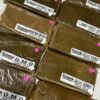
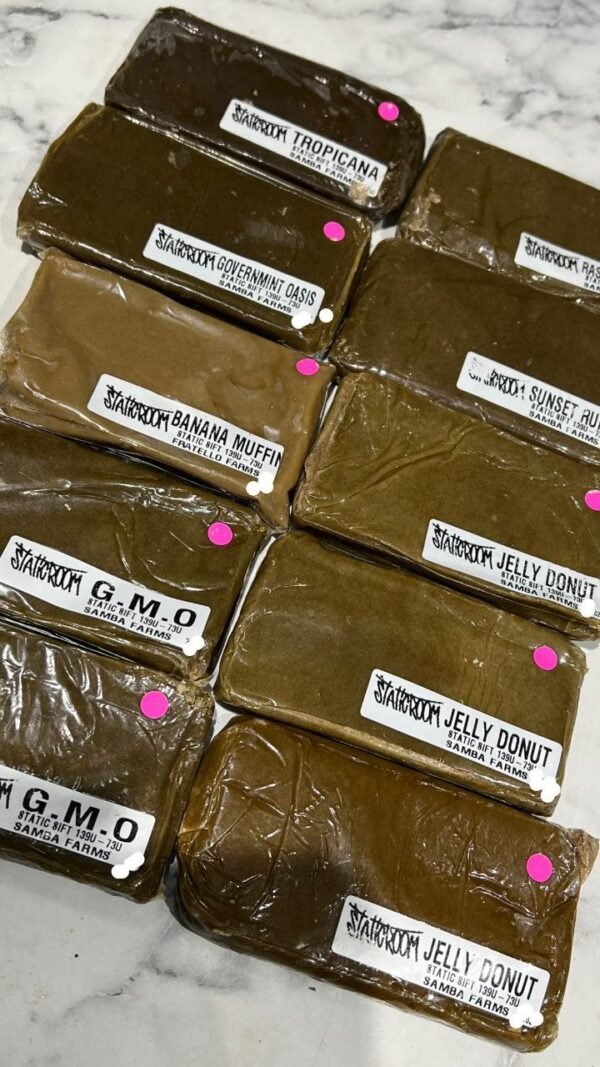
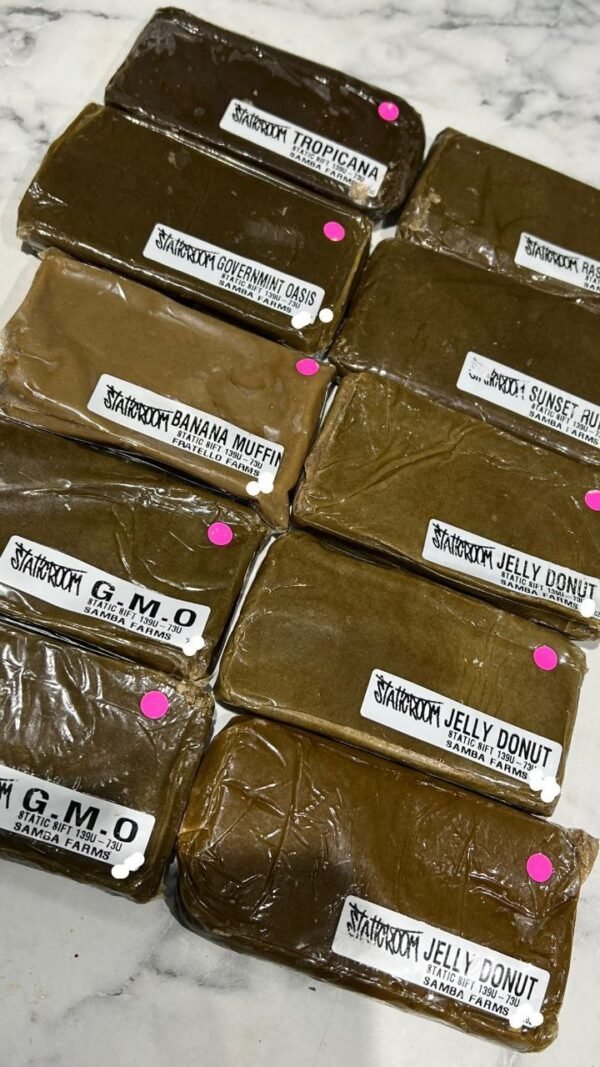
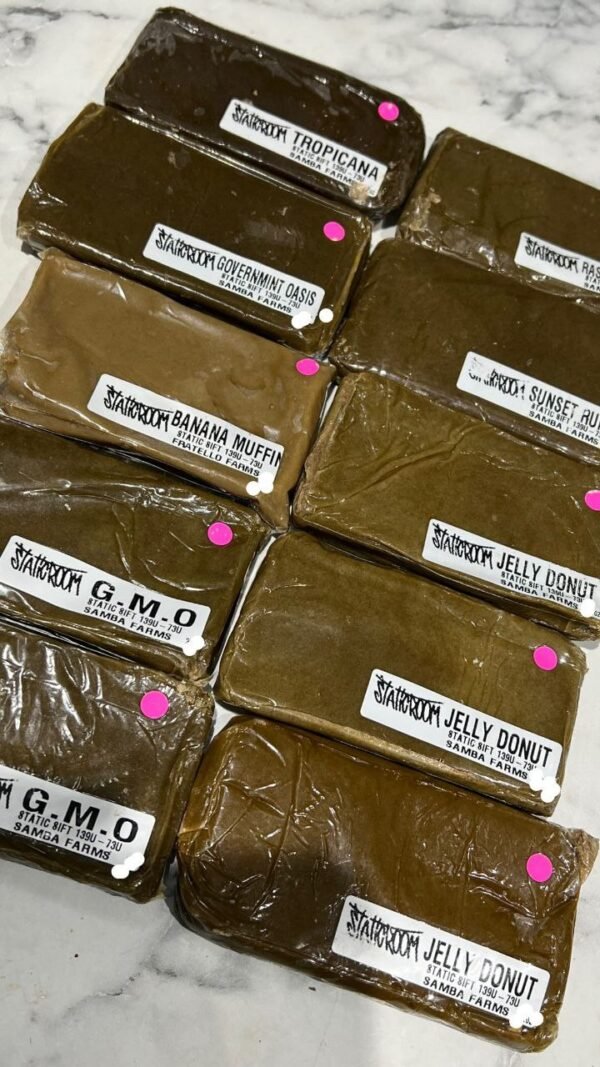
9. Learning From Finished Examples: StaticRoom Pink / Single Source Hash
One of the most effective ways to sharpen your own static sift cleaning technique is to compare your resin against finished products that are already meeting connoisseur expectations. Our StaticRoom Pink / Single Source collection is built specifically around this static‑refined dry sift philosophy.
Each cultivar, from Governmint Oasis with its mint‑forward aroma to Banana Muffin with its creamy bakery notes, is processed to preserve its terroir while stripping away non‑resin contaminants. When you buy or order these hashes in Europe, you are essentially purchasing a benchmark for what carefully cleaned static sift should look and perform like.
Using Finished Hash As A Calibration Tool
- Compare color and granularity of your resin against our Pink Label examples under identical lighting.
- Smell both under the same conditions, paying attention to clarity of terpene expression versus plant funk.
- Test melt behavior side by side on the same heating surface and note differences in residue.
Treating these products as reference points rather than just consumables can dramatically accelerate your understanding of what static cleaning can achieve when executed without compromise.
10. Building A Repeatable Static Sift Protocol For Professional‑Grade Results
By 2026, the difference between casual static sifting and professional static sift cleaning is mainly about discipline and documentation. If you want your dry sift to consistently reach the purity and sensory standards of a brand like StaticRoom, you need to treat your process like a protocol, not an improvisation.
We recommend that serious makers in Europe document batch size, room temperature, humidity, micron range, number of passes, and yield after each stage. Over time, these records will show you which variables most directly affect purity and flavor in your specific environment with your preferred cultivars.
Suggested Static Sift Cleaning Checklist
- Confirm room conditions are within your target temperature and humidity window.
- Weigh and log your starting dry sift and micron range.
- Spread sift to a consistent, thin depth and perform standardized static passes.
- Weigh intermediate collections after each pass and inspect visually.
- Stop cleaning when visual and sensory cues match your chosen Pink Label benchmark.
Approached this way, static sift cleaning becomes a craft discipline you can refine for years, not a short‑term experiment, and the quality of your hash will reflect that commitment.
Conclusion
Mastering static sift cleaning for pure resin in 2026 is about combining scientific understanding with disciplined craft, from climate control and micron selection to multi‑pass refinement and final sensory evaluation. When you treat static as a precise separation tool and follow a consistent workflow, your dry sift evolves into the kind of hash that justifies its place alongside premium labels like our StaticRoom Pink / Single Source line.
Whether you choose to buy finished static sift hash from TheStaticRoom in Europe or refine your own dry sift using the methods outlined here, the same principles apply: respect the resin, control your variables, and let pure trichome heads speak for themselves in the jar.
